Keeping and Sharing Your Aura Portrait: A Personal Image Checklist
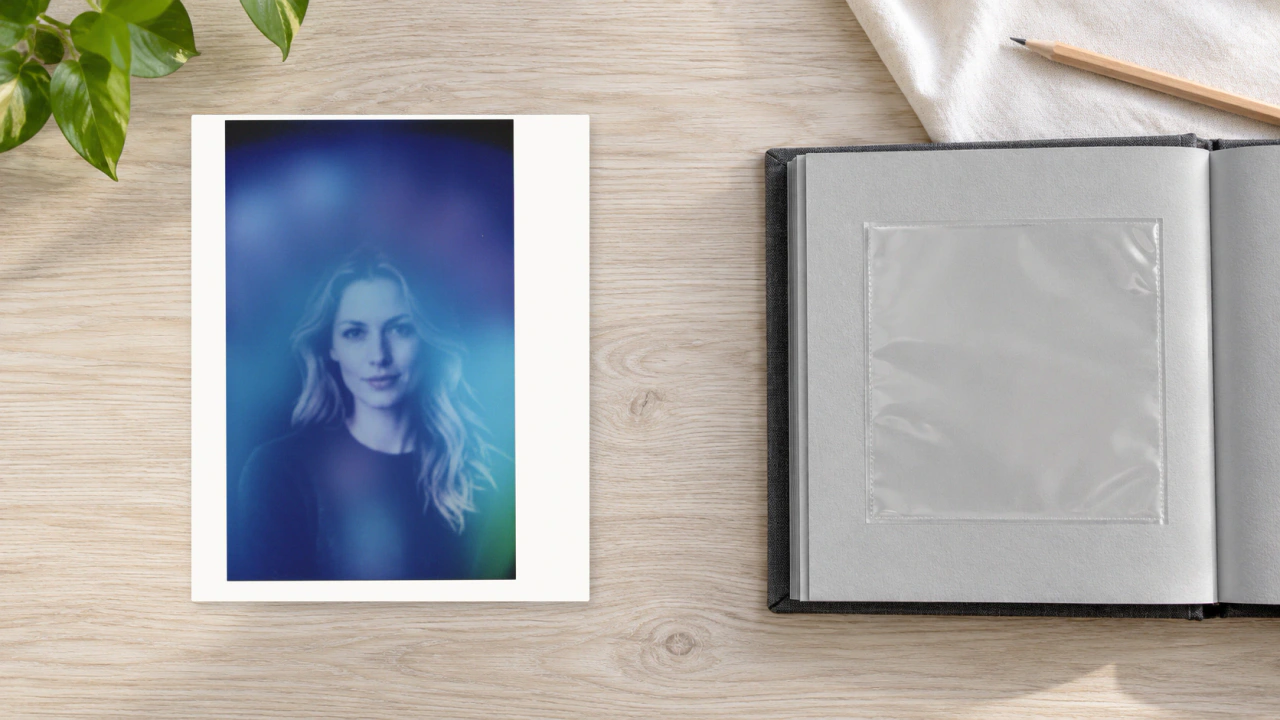
In aura traditions, color can invite personal associations and reflection. Once you have your portrait, you can also choose how to keep the print, remember the occasion and decide who sees it. A few thoughtful choices let the photograph and its story remain yours to enjoy in your own way.
Keep the photograph and the story together
Start with a separate note about the session. Record the date, place and anything about the occasion you would like to remember. A line such as an afternoon with an old friend may become more meaningful to you than a long interpretation written in the moment.
You could add your first response to the portrait: a color combination you enjoyed, an expression that felt familiar or a detail that surprised you. Keep your own words distinct from any explanation offered during the session. This makes it easier to remember which ideas came from you and which you may want to revisit.
I would give the photograph and this note a shared label, even something as simple as the date and venue. You can then connect them without needing to write your whole story on the print itself.
Follow the instructions for your particular print
AuraCamera® 6000 creates a color portrait on instant film using two hand sensors and proprietary processing. Ask the operator which current handling and care instructions apply to the specific film used for your photograph. Keep those instructions, or a reference to them, with your session notes.
Before placing the print in an album or display, follow the guidance that applies to that film and the presentation materials you have chosen. If the instructions leave a question unanswered, return to the photographer or the appropriate product information for clarification.
An album can be a pleasant way to revisit the portrait alongside other memories. Check that the page or holder is appropriate for the print before using it. Preserve the whole photograph, including its physical borders, when planning the arrangement. Put your caption on an accompanying page or card so the image and your words each have room.
Decide what you want the caption to say
A caption can tell the story of the occasion, describe your response to the colors or simply identify the place and date. Choose the level of detail that feels natural for the audience you have in mind. You can keep a longer personal account in your own notes and use a shorter caption elsewhere.
Try starting with one concrete sentence: celebrating a new chapter, remembering a shared afternoon or enjoying an unexpected combination of colors. Add a second sentence only if it brings something you want others to know. The caption does not need to explain every visible detail.
When you refer to a color meaning from aura traditions, describe it as an association that interests you. For example, you might connect a warm color with a favorite memory. That keeps the caption personal and gives readers a clear sense of whose interpretation they are encountering.
Separate different sharing choices
Keeping a print at home, showing it to a friend and posting an image of it are different choices. Decide on each one in its own context. A portrait you enjoy discussing with someone close to you may still feel like something you want to keep out of a public post.
If another person appears in material you plan to share, ask what they are comfortable with before including it. Agree on the image, the accompanying words and whether names or other identifying details belong in the post. Leave room for someone to prefer a more private version of the memory.
Ask the photographer about the sharing arrangements associated with your session, including any permissions or credit requests you should understand. If a provider asks to feature your portrait, consider that request separately from your decision to have the photograph taken. A clear conversation can focus on the particular image and proposed use.
Review the version you are about to show
When sharing an image of the print, look at the complete presentation before posting or sending it. Check the photograph, caption and any surrounding details together. Make sure the version communicates the occasion as you intended and does not include personal information you would rather keep in your private notes.
If you adjust a reproduction for a layout, keep a reference showing the full print. Describe a significant creative edit when it matters to the story you are telling. This helps you distinguish the original physical photograph from a later presentation choice.
Take the same care when sharing someone else's words about the session. Confirm the wording they are happy to have associated with them, and keep a private comment private unless they agree to that particular use.
Make a small personal image checklist
Before putting the portrait away or sharing it, ask:
- Have I kept the applicable film instructions or a reference to them?
- Can I connect the print with the date, place and my personal notes?
- Does the album or presentation preserve the whole photograph?
- Does my caption sound like me and match the occasion?
- Have I checked the sharing arrangements and other people's preferences?
- Am I comfortable with the audience for this particular version?
You can return to these choices later. For a future visit, explore the first-portrait journey and choosing a studio, shop or event setting. Browse the journal for more ways to approach aura photography as a personal photography experience.